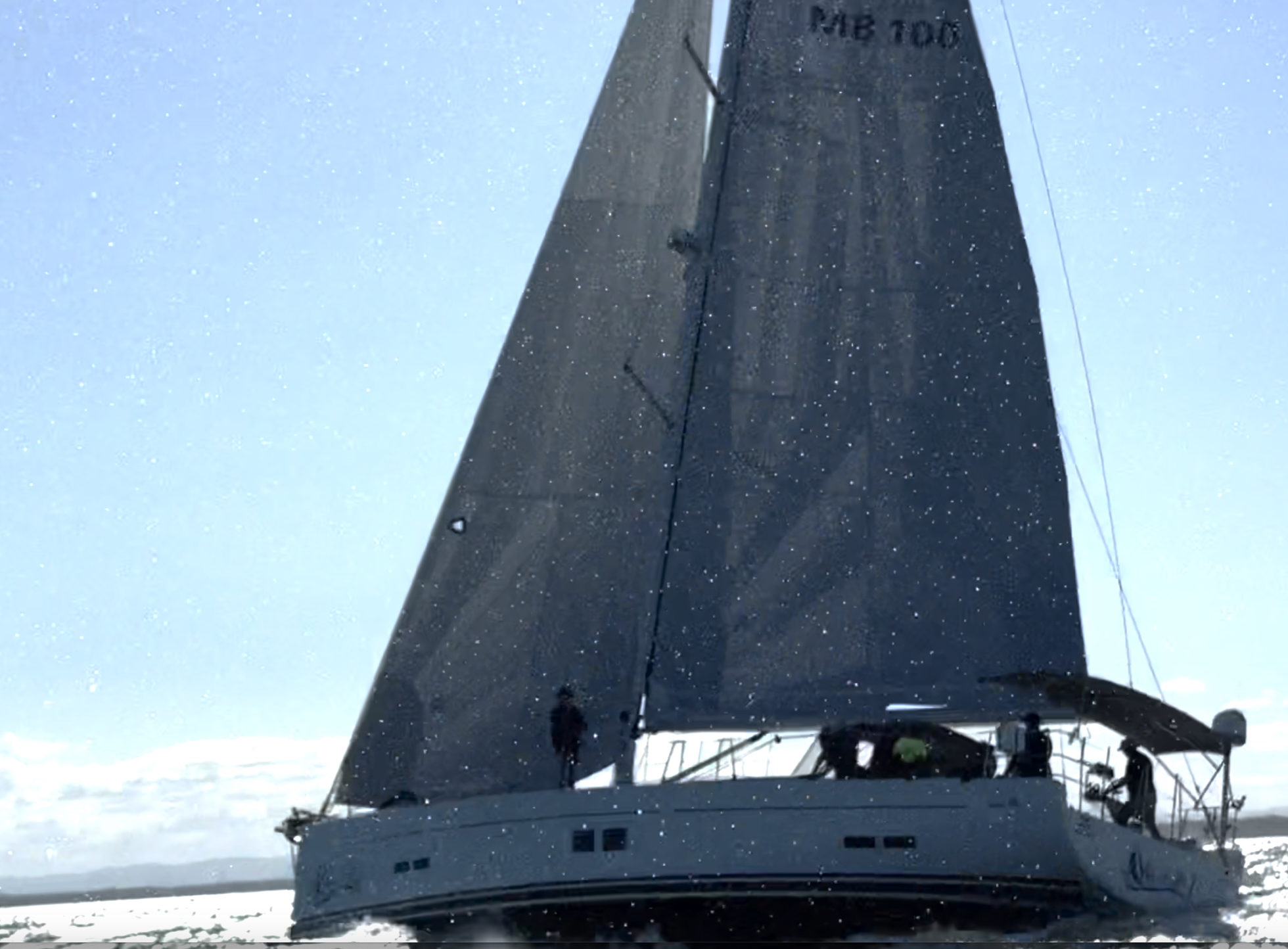
I was watching sailing videos this morning. Not for the first time. There’s something about these channels — someone sells everything, buys a boat, points it at the horizon — that I keep coming back to. Millions of people do.
And here’s the irony that struck me: the creators — the ones who actually left — are probably closer to finding what they’re looking for than the millions watching from the couch. But the watchers aren’t wasting their time either. Because what those channels hold out is hope. Not necessarily that you’ll do the same thing. Just that it’s possible. That someone did it. That a life beyond the 9-to-5 actually exists.
We celebrate with them when it comes off — genuinely, embarrassingly so — because their win feels like it belongs to all of us somehow.
C.S. Lewis called it living small. Not small as in unimportant — but contracted. Hedged. The life we default to when we stop believing a bigger one is on offer.
I think it costs something when we live that way. There’s a restlessness in the watching that tells you something true — that we were made for more agency, more risk, more aliveness than most of us are actually living.
The gamble
What makes the sailing channels credible is that the risk is real. Nobody cries with a creator when the engine dies in the doldrums because they’re watching a performance. They cry because it’s actually happening — the vulnerability is genuine, the stakes are genuine, and therefore the triumph is genuine when it comes.
It often costs everything. Material security, career trajectory, the approval of people who think you’ve lost the plot. And when it comes off — when they make the anchorage after the storm, or finally cross the ocean they’ve been dreaming about — it’s glorious. Not despite the cost. Because of it.
That shape — risk, cost, surrender, glory — is older than YouTube. It’s the shape of every life that’s actually been lived rather than just survived.
The harder water
I sail. I was out yesterday. And yes — there’s a trimaran I’d love to own, and the idea of pointing a boat at the horizon and not stopping for a very long time has never entirely left me.
But the adventure I’m actually in doesn’t look like that. It looks like showing up for people. Trying to embody something true. Living in a way that’s genuinely invitational — drawing people toward something rather than just talking about it. Imitating the Master, as best I can manage on any given day.
That’s its own navigation. And honestly? In some ways it’s harder. The ocean doesn’t have a will. People do. They’re complicated and wounded and defended, and they don’t come with charts.
There’s a line that’s been following me lately — anyone who puts their hand to the plow and looks back is not worthy of me. You don’t steer a straight furrow by watching the blade. You fix on something distant and trust the line behind you. The horizon is the discipline.
The trimaran might still happen. Or it might not. But the furrow is getting plowed either way — and that, I’ve come to believe, is the grand adventure. Not the grandest stage. Just the life genuinely risked toward something real.
Eyes on the Master — following him. That’s enough.